Fraser-Kirk Plastic Surgery
Sunshine Coast
Level 3/37 The Esplanade,
Maroochydore QLD 4558
Understanding the anatomy behind hooded eyes before deciding how to treat them. The word blepharoplasty was coined in 1818 by the German surgeon Karl Ferdinand von Graefe. He wasn’t thinking about ageing at all. He was describing reconstruction of eyelids lost to cancer and trauma. Two centuries later, the operation that carries his name is […]
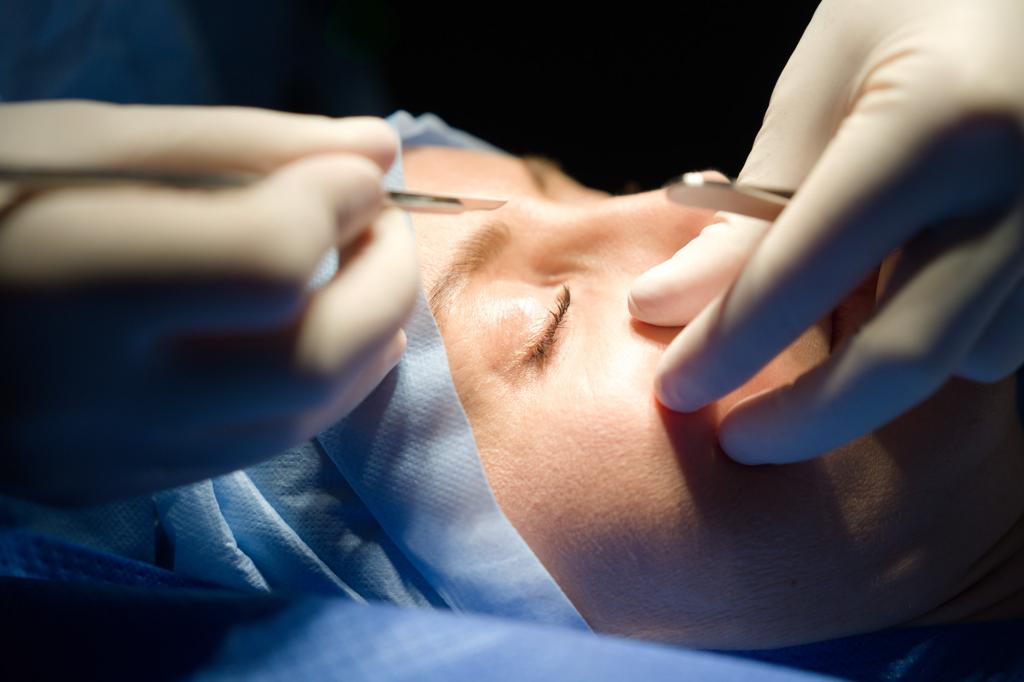
The word blepharoplasty was coined in 1818 by the German surgeon Karl Ferdinand von Graefe. He wasn’t thinking about ageing at all. He was describing reconstruction of eyelids lost to cancer and trauma. Two centuries later, the operation that carries his name is one of the most commonly performed procedures in facial plastic surgery, and it is most often requested for one concern: hooded eyelids.
Hooded eyelids are common, and they are often misunderstood. Many patients come to consultation expecting that the solution is to remove some eyelid skin. Sometimes that’s exactly right. But just as often, the hooding is coming from somewhere else, and treating the eyelid alone would leave part of the cause untreated. This post explains what causes hooded eyes, how to tell the difference between the causes, and what the treatment options involve.
A hooded eyelid is one where a fold of skin hangs over the upper eyelid crease, partly or completely hiding the lid beneath it. Hooding tends to be most noticeable at the outer corner of the eye. It can make eye makeup difficult to apply, and in more advanced cases it can rest on the lashes and narrow the upper field of vision.
Some people are born with naturally hooded eyes. This is a normal variation in eyelid anatomy, often seen with a lower or less defined eyelid crease, and it isn’t a sign of ageing. What most patients mean when they ask about hooded eyelids, though, is hooding that has developed or worsened over time.
When I assess a patient with hooded eyelids, I’m working out which of four structures is responsible. Often it’s more than one.
1. Excess eyelid skin (dermatochalasis). The skin of the upper eyelid is the thinnest on the body, often less than a millimetre thick. With age and sun exposure, it loses elasticity and stretches, and the surplus gathers over the crease. This is the classic cause of hooding, and upper blepharoplasty treats it directly.
2. A descended brow (brow ptosis). This is the cause most often missed. As the brow descends with age, particularly at its outer tail, it pushes the skin of the upper eyelid down with it. The eyelid itself may have very little excess skin; it simply has nowhere to go. A simple test: gently lift your eyebrow to where it sat in younger photographs. If most of the hooding disappears, the brow is a major contributor.
3. A drooping eyelid margin (ptosis). Here, the problem isn’t excess skin but the muscle that opens the eye. The levator muscle (responsible for lifting the upper eyelid) can stretch or detach from the eyelid with age, previous eye surgery or other causes, and the eyelid margin sits lower over the eye. People with ptosis often raise their eyebrows unconsciously to see more clearly (compensated brow ptosis), which can mask the problem and lead to forehead lines and fatigue. The latter is important to recognise as well, as surgical correction of the upper eyelid can actually cause the brow to drop from its compensated (elevated) position.
4. Fat and volume changes. Fat in the upper eyelid can bulge forward, adding fullness to the hood, particularly toward the inner corner (medial orbital fat pad). Conversely, many people have less volume in the upper eyelid and brow with age. Understanding which way the volume has changed determines whether fat should be removed, preserved or placed.
If hooding caused by a descended brow is treated by removing eyelid skin, the hooding may persist. The brow may pull further down after surgery, because the eyelid skin was partly holding it up, and the distance between the brow and the lashes shortens.
Equally, removing skin when the real problem is ptosis leaves the eyelid margin exactly where it was. And removing too much fat from an eyelid with little volume to spare creates a hollow that is difficult to correct later.
This is why I describe my approach to the upper face as anatomy-driven. The plan follows the diagnosis, not the other way around.
Upper blepharoplasty. Upper blepharoplasty removes excess skin and, where appropriate, adjusts fat. The incision sits within the natural eyelid crease, and how the scar matures varies between individuals. My approach is conservative and structural: remove what is genuinely in excess, preserve volume where the eyelid needs it, and keep enough skin for the eye to close fully and comfortably.
Brow lift. Where brow descent is a major contributor, lifting the brow addresses the source of the hooding. There are several ways to do this, from a small-incision gliding brow lift through to an endoscopic brow lift or a direct brow lift, and each suits different anatomy. Brow lifting and blepharoplasty can often be combined to optimise the functional and aesthetic outcome.
Sub-brow (infrabrow) lift. For very select patients, particularly those with thick lateral upper eyelid skin and a well-positioned brow, removing skin just below the eyebrow rather than in the crease may be the more appropriate approach.
Ptosis correction. Where the eyelid margin itself sits low, the levator aponeurosis can be repositioned and tightened. This requires careful measurement and fine adjustment, and can often be performed at the same time as blepharoplasty.
Non-surgical options. Non-surgical treatments have a limited role in hooded eyelids. Skincare, sun protection and energy-based skin treatments may modestly improve skin quality. Some injectable treatments can alter brow position slightly, and I’m happy to discuss these in consultation. None of them remove excess skin or repair a stretched levator tendon.
In some cases, yes. Where hooding significantly obstructs vision and meets specific clinical criteria, which usually includes documented measurements and photographs, upper blepharoplasty may be eligible for a Medicare item number and private health insurance. Surgery performed for appearance alone is cosmetic and isn’t covered. Eligibility is assessed individually at consultation.
Upper blepharoplasty is usually performed as a day procedure. Swelling and bruising peak in the first few days and settle substantially over one to two weeks. Most patients return to desk work and social activities within seven to fourteen days, and the scar continues to soften over several months. Recovery is longer if a brow lift or ptosis correction is performed at the same time. If ptosis surgery is performed, typically this is performed under local anaesthetic only (awake surgery) to accurately tighten the levator muscle and optimise the functional result.
Can hooded eyes be treated without surgery? Non-surgical treatments may modestly improve skin quality or brow position, but they can’t remove excess eyelid skin or correct a drooping eyelid margin.
Do hooded eyelids get worse with age? Usually, yes. Skin laxity and brow descent tend to progress gradually over time, though the rate varies between individuals.
How long does upper blepharoplasty last? Surgery doesn’t stop the face ageing. How long the change remains visible varies between individuals, and brow position in particular can continue to change.
Can hooded eyelids affect vision? Yes. When hooding rests on or over the lashes, it can reduce the upper field of vision, which some patients notice most when driving or reading.
Hooded eyelids are a symptom, not a diagnosis. The skin, the brow, the eyelid muscle and the volume of the upper face all contribute, and the right treatment depends on which of them is responsible. That assessment is the most important part of the process, and it’s where I spend most of my time in consultation.
Blepharoplasty and brow lift carry real risks, which are discussed with you in full at consultation and again before surgery. These can include bleeding, infection, swelling, bruising, scarring, asymmetry, dry or irritated eyes, temporary difficulty closing the eyes fully, changes in eyelid position or crease height, over- or under-correction, and the need for further surgery. Rarely, bleeding behind the eye can threaten vision; this is uncommon but serious.
Brow lifting carries additional risks, including altered forehead sensation and, uncommonly, injury to the nerve that raises the brow. Ptosis correction carries its own risk of over- or under-correction of the eyelid height.
Recovery takes weeks rather than days, and further surgery is sometimes required. Outcomes vary between individuals according to anatomy, healing and other factors.
For surgery performed for cosmetic reasons, a referral from your GP or another registered medical practitioner is required, and a seven-day cooling-off period applies. All of this will be discussed with you carefully in advance.
I consult at The Coastal Clinic on the Gold Coast and Fraser-Kirk Plastic Surgery on the Sunshine Coast. If you are considering blepharoplasty and would like to understand what is causing the hooding in your case, I welcome an initial consultation.
Dr David Sparks — MBBS(Hons) MS(Plast) PhD FRACS(Plast) — Specialist Plastic Surgeon, MED0001863770
All surgery and invasive procedures carry risks. Before proceeding, you should seek a second opinion from an appropriately qualified health practitioner.






All surgery and invasive procedures carry risks. Before proceeding, you should seek a second opinion from an appropriately qualified health practitioner. Read our full information on the risks of surgery. Dr David Sparks — Specialist Plastic Surgeon, MED0001863770.